Main Menu
Duration
Oct. 19 - Nov. 23, 2026
With Maria Burmester

FullyBooked
Duration

Enroll before

One-time Payment

Live sessions

Max. seats
Seats left
Publishing is an essential part of curatorial practice, whether for archiving, expanding on ideas, or sharing a project beyond exhibition walls. In this course, you will learn how to develop and publish catalogues, artist books, and other forms of printed matter.
We will approach publishing not just as a means to document exhibitions, but as a curatorial practice in its own right. Through case studies, practical exercises, and group discussions, we will explore how books and printed matter can carry curatorial ideas through structure, images, text and design choices, and how each of these elements contributes to meaning and audience engagement. Designed for curators, artists, editors, and cultural workers, the course guides you through the process of conceptualising a publication.
Over five weeks, you will learn how to:
By the end of the course, you will have developed a publication proposal outlining your concept, audience, format and content structure. No formal prior knowledge is required, though basic familiarity with exhibitions, art books or cultural publishing is helpful.
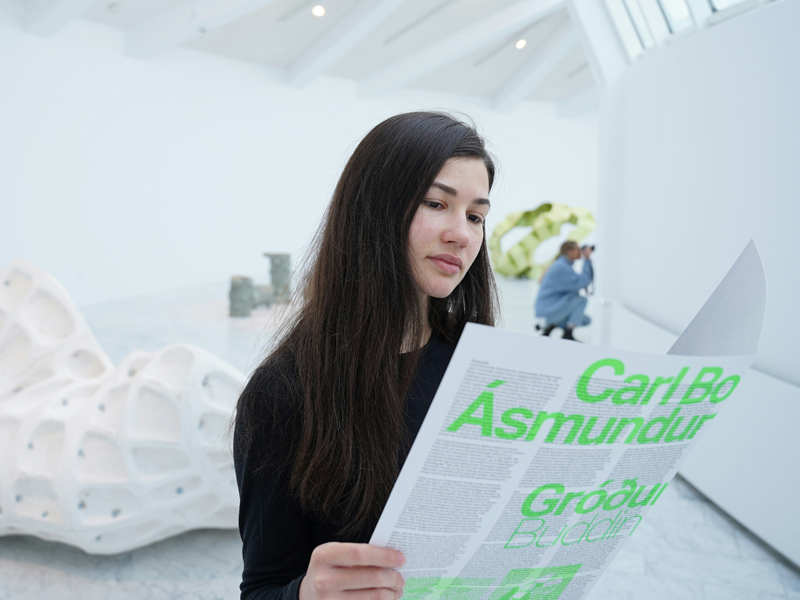
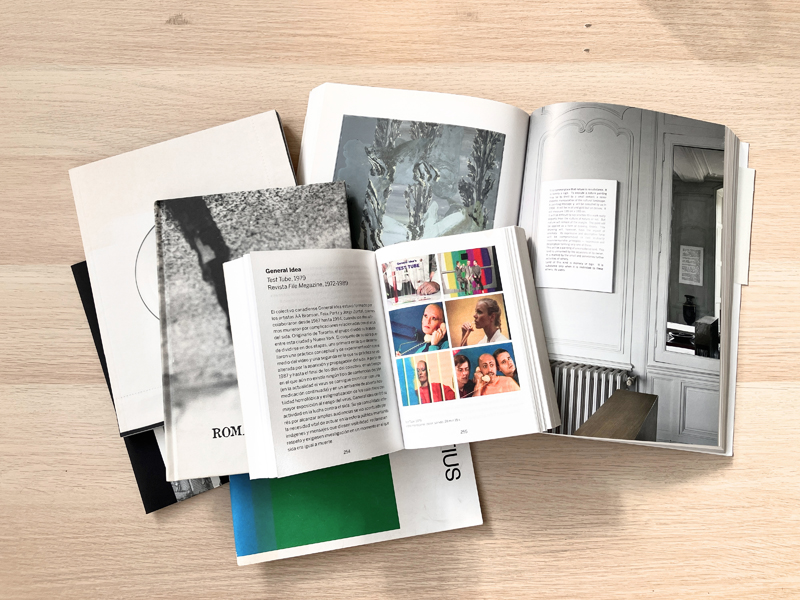
Image: Bank Phrom

Week 1: Introduction | 19 October 2026
In this first one-hour session, the lecturer will introduce the programme and all participants will introduce themselves.
Topics covered:
Week 2: From Curatorial Idea to Publication Concept | 26 October 2026
This second session focuses on how to translate a curatorial idea or research interest into a publication concept with a clear position, audience, and purpose.
Topics covered:
Week 3: Formats, Structures and Editorial Logic | 9 November 2026
In the third session, you will be equipped with tools to choose appropriate publication formats and develop a coherent editorial structure that supports your curatorial argument.
Topics covered:
Week 4: Image Editing, Sequencing and Text–Image Relationships | 16 November 2026
This fourth session approaches image editing and sequencing as core curatorial acts. You will learn how visual and textual elements interact to produce meaning.
Topics covered:
Week 5: Publication Proposal – Sharing, Discussion and Feedback | 23 November 2026
In this workshop-style session, you will share your publication ideas and receive collective feedback, gaining insight into different curatorial approaches to publishing.
Topics covered:
Language
Classes are held in English.
Format & Modality
The course is fully online and taught live via Zoom in small, interactive groups to support active learning. Live captioning is available during the sessions.
Schedule
Live sessions take place every Monday from 3pm to 5pm (Berlin time, CEST/CET).
Attendance
Live attendance is encouraged to get the most out of the course, but recordings are available if you cannot attend a session.
Course Materials
All course materials—including recordings, readings, and presentations—are available on the Node platform for as long as you wish.
Assignments
Optional assignments are included, with personal feedback from the lecturers to help you apply what you learn. Please note that feedback is provided only during the course dates.
Certificate
A downloadable certificate is available upon course completion.
Technical Requirements
A stable internet connection, a computer with a camera and microphone, and access to Zoom are required.
Questions?
Check our FAQ or contact us via our online form.
Maria Burmester
"An inspiring course, taught in a clear way, with a range of examples and useful practical exercises. Excellent."