Main Menu

Duration
Jan. 06 - Feb. 03, 2027
Duration

Enroll before

One-time Payment

Live sessions

Max. seats
Art criticism is essential to the development of a dynamic and vibrant art scene and tradition. It creates discourse, gives critical feedback and allows for a deeper engagement with art. In curatorial and artistic practice, strong writing skills combined with a critical mindset are essential at various levels—for example, when applying for funding, presenting an exhibition project, or writing texts for catalogues, press releases, and the artworks in a show.
In this course, we will dedicate ourselves to writing short-form art critical reviews. You will learn how to formulate ideas with clarity and how to analyze art and its displays in thoughtful, meaningful ways.
By the end of the course, you’ll be able to:
Through in-class assignments and step-by-step guidance, participants will be supported in their endeavor to experiment, be creative, and find their own style. Together, we exercise, sharpen, and shape both imagination and skill. Writing about art has no template; in this course, we treat it as an evolving social form.
*This course offers University credits. To opt for credits read this page
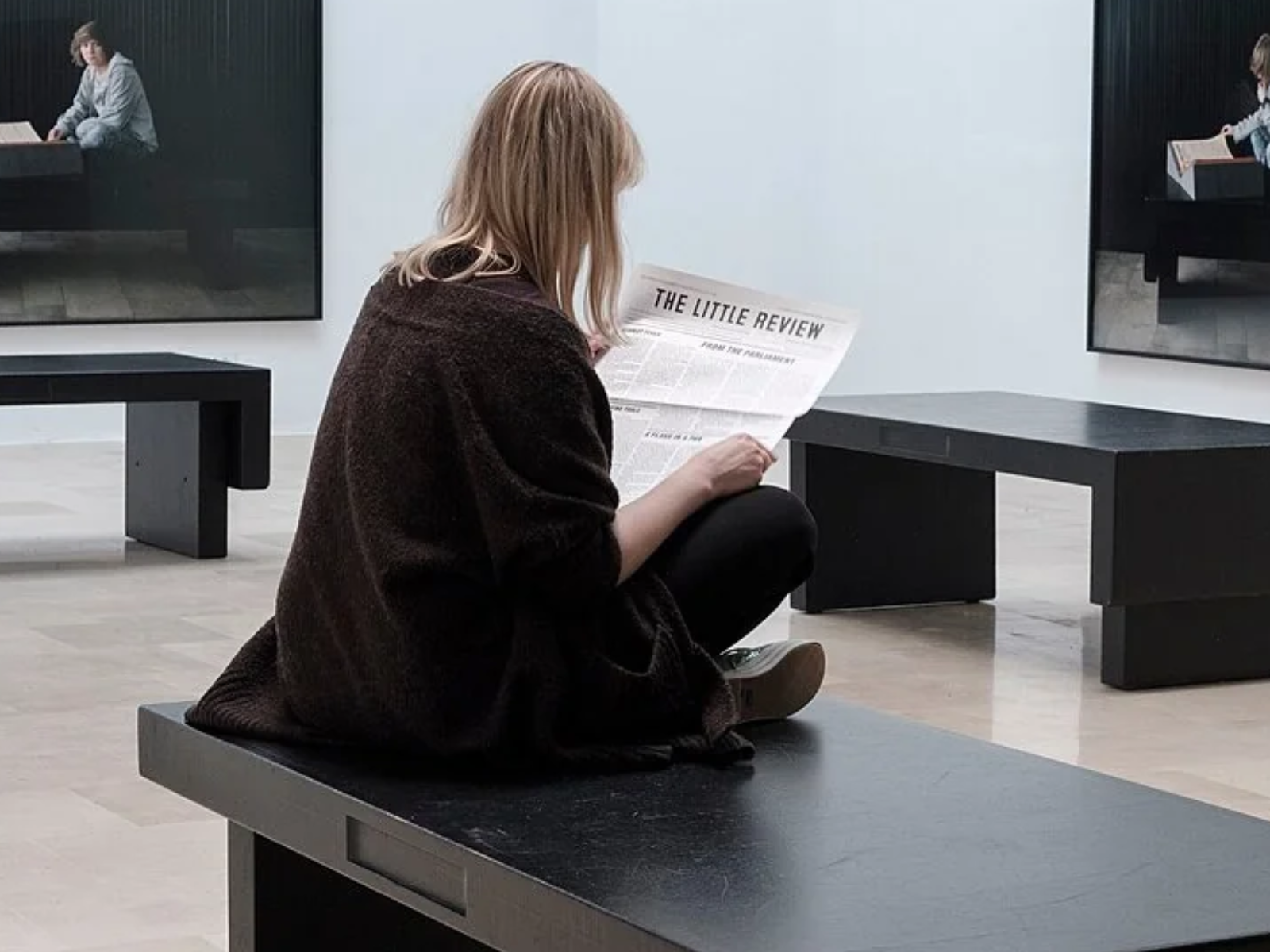
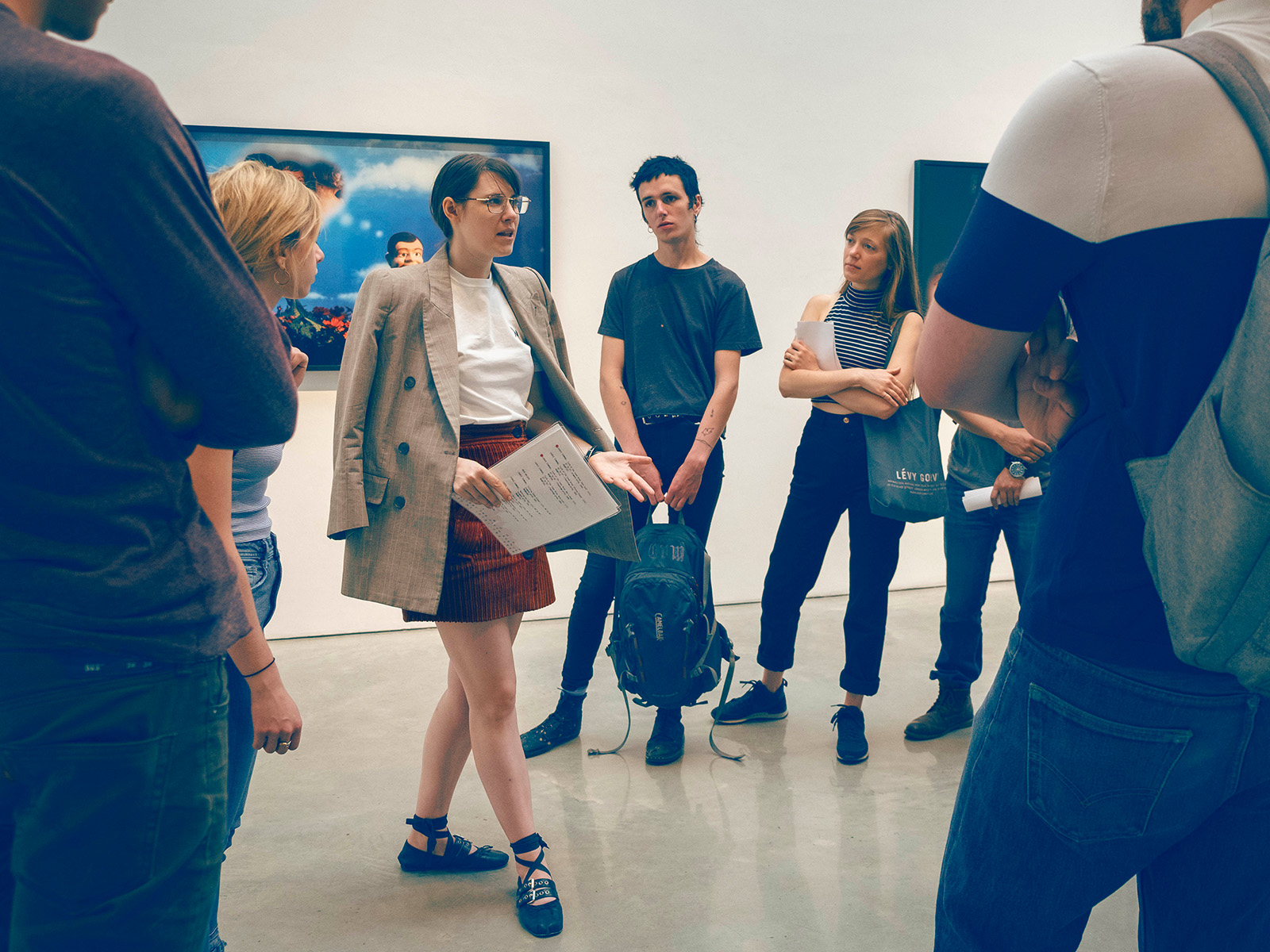
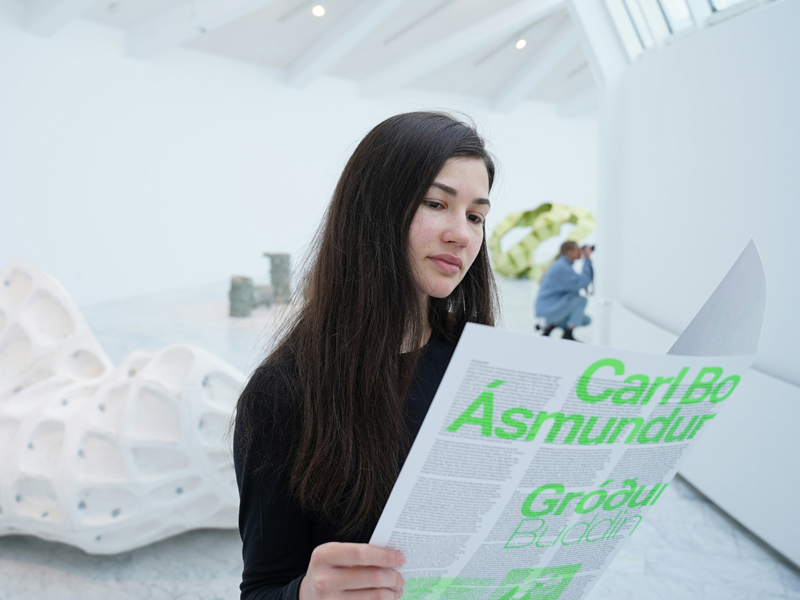
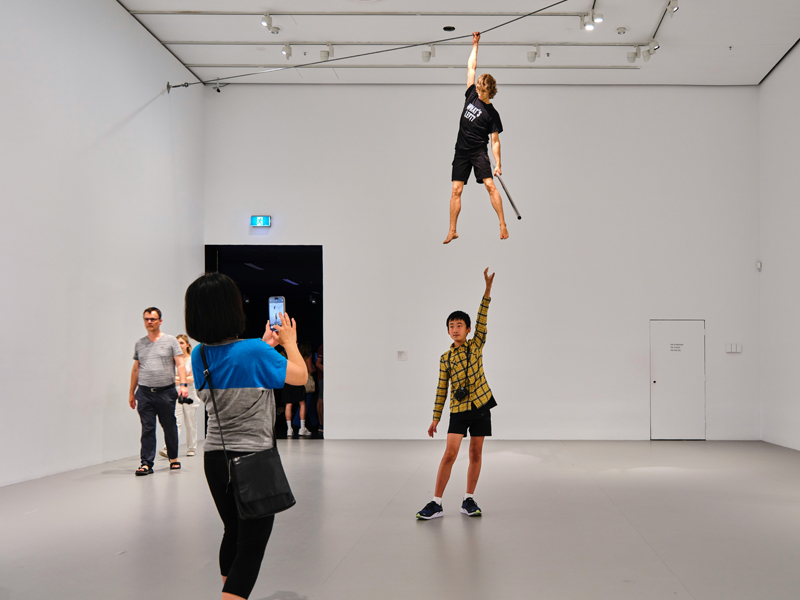
Image by Node Center

Week 1. Introduction
Introduction to the program and course overview.
This is a one-hour-only welcome session. The lecturer will introduce the program and participants will introduce themselves. No prior preparation is necessary.
Session 2: What Makes Good Art Writing?
In this session, we’ll discuss the role of art criticism and learn how to spot original writing.
Topics covered:
Week 3. How to Think and Write Critically About Art?
To write clearly about art, we need to first learn how to think critically about art. In this session, we will explore analytical frameworks that will help us interpret art and translate ideas in engaging ways.
Topics covered:
Week 4. What’s Your Unique Perspective as an Art Critic?
In this session, we will go a step further, and explore what kind of art critic you want to be.
Topics covered:
Week 5. What Formats, Outlets and Collaborations Are Best Suited for You?
In our last session, we will get into the practical aspects of being an art critic: where and how to publish, who to work with, and how much to ask for your writing.
Topics covered:
Language
Classes are held in English.
Format & Modality
The course is fully online and taught live via Zoom in small, interactive groups to support active learning. Live captioning is available during the sessions.
Schedule
Live sessions take place every Wednesday from 3pm to 5pm (Berlin time, CET).
Attendance
Live attendance is encouraged to get the most out of the course, but recordings are available if you cannot attend a session.
Course Materials
All course materials—including recordings, readings, and presentations—are available on the Node platform for as long as you wish.
Assignments
Optional assignments are included, with personal feedback from the lecturers to help you apply what you learn. Please note that feedback is provided only during the course dates.
Certificate
A downloadable certificate is available upon course completion.
Technical Requirements
A stable internet connection, a computer with a camera and microphone, and access to Zoom are required.
Questions?
Check our FAQ or contact us via our online form.
An Paenhuysen