Main Menu
Duration
Soon to be announced
Duration

Enroll before

One-time Payment

Live sessions

Max. seats
Project spaces (also known as independent art spaces, artist-run initiatives, off spaces, etc.) are an important part of the art ecosystem: nurturing experimentation, promoting new artists, sparking dialogue and working closely with local art communities. While project spaces take many different forms, what they have in common is that they are usually not institutional, not commercial, nor a white cube.
Whether you’re an artist, a curator or a collective group of people, having your own art space - no matter how small it is - brings a lot of opportunities to realize your ideas, experiment with concepts and build your career. Nevertheless, for a fruitful outcome it is important to consider certain structural, financial and conceptual aspects before getting started. This course is for people who want to set up their own independent art space. We will discuss the essentials of setting up your own space, including how to get started, potential organisational structures, developing a curatorial line, handling finances as well as PR strategies.
Over four weeks, participants will learn the practical aspects of establishing a project space and discover case studies of structural organisations and conceptual approaches. In addition, this course will also provide an overview of the history of prominent project spaces as well as current developments and existing networks.
Come with an already existing idea or start from a blank page! Throughout the course you will develop a concrete outline of the steps you need to realise your independent art space.
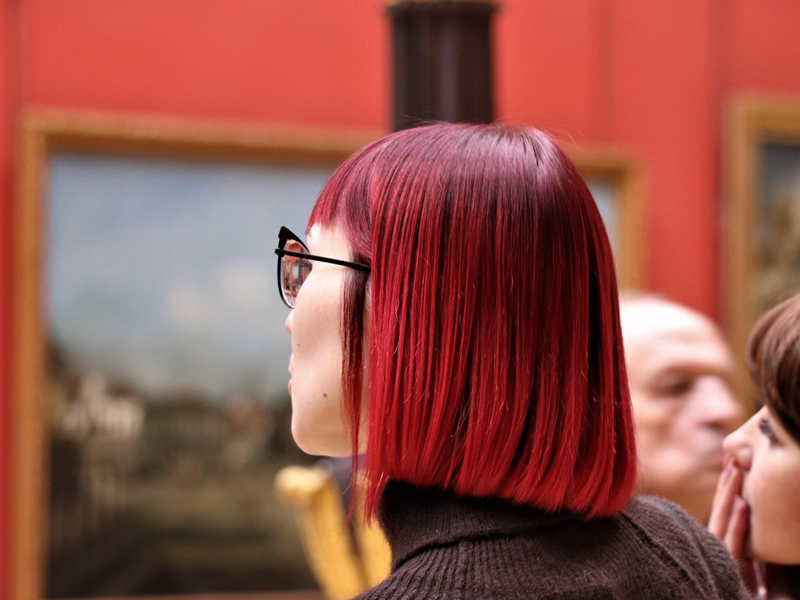
Image by: MF Evelyn

Week 1. Introduction
This is a one-hour-only welcome session. The lecturer will introduce the program and participants will introduce themselves. No prior preparation is necessary.
Week 2: Characteristics and formats
Week 3: Structuring an artist run space
Week 4: Exhibition-making – concept, budget, practical skills
Week 5: Communication - artists, collaborators, press
Language
Classes are held in English.
Format & Modality
The course is fully online and taught live via Zoom in small, interactive groups to support active learning. Live captioning is available during the sessions.
Schedule
Live sessions take place every Monday from 1-3 PM (Berlin time, CEST).
Attendance
Live attendance is encouraged to get the most out of the course, but recordings are available if you cannot attend a session.
Course Materials
All course materials—including recordings, readings, and presentations—are available on the Node platform for as long as you wish.
Assignments
Optional assignments are included, with personal feedback from the lecturers to help you apply what you learn. Please note that feedback is provided only during the course dates.
Certificate
A downloadable certificate is available upon course completion.
Technical Requirements
A stable internet connection, a computer with a camera and microphone, and access to Zoom are required.
Questions?
Check our FAQ or contact us via our online form.
Nora Mayr
"I liked the open and friendly way of teaching and the attention given to each of us after our assignments."