Main Menu
Duration
Jul. 15 - Jul. 29, 2026
Duration

Enroll before

One-time Payment

Live sessions

Max. seats
Seats left
This course provides a foundational guide to the impact of digital technologies on contemporary art and curatorial practices. Spanning three interconnected areas—the digital, the physical, and the curatorial—the course traces the history of art as it has moved from virtual spaces into physical contexts and back again. Along the way, we will examine how institutions, artists, and curators have responded to the new formats, environments, and challenges introduced by digital technologies.
Over three weeks, participants will explore:
The history of art on the Internet, from early manifestations such as Net Art to contemporary art forms
The Internet as an exhibition space and the implications of curating online
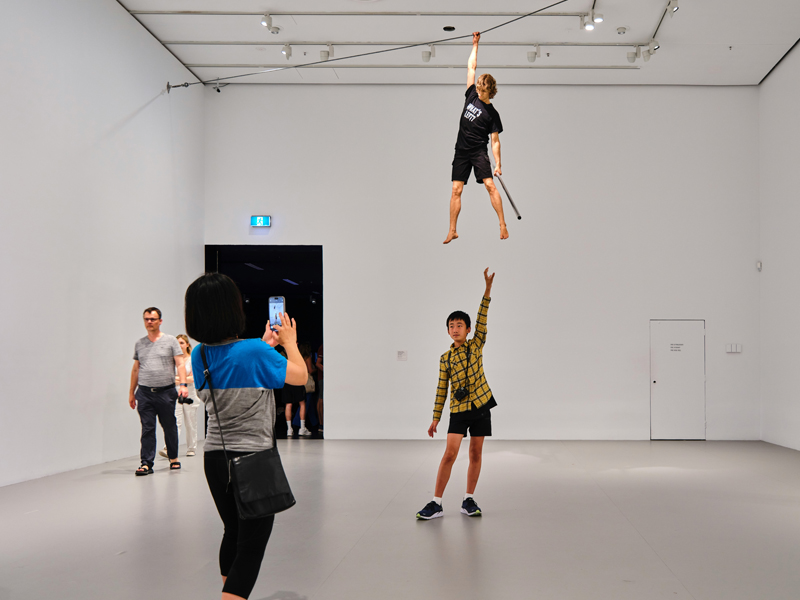
The migration of digital art into physical spaces, including media art systems, key institutions and networks, and notable formats and artists
Case studies highlighting experimental approaches to digital curatorial practice, including virtual exhibition and digital art in physical spaces.
This short course is the first module of the Curating the Digital Program: Exhibition-Making in the Age of VR, AR and New Technologies, a six-month online program tailored for curators and art professionals interested in exploring the possibilities of curating in the digital age. While it serves as the introductory module, this course may also be taken as a stand-alone offering.

Video conferences every Wednesday, from 6pm to 8pm Berlin time. Recordings will be available in case you miss a live session!
Session 1: Being Digital
In this session, we trace the history of art on the Internet—from early Net Art to NFTs—and explore what it means to show and archive artworks online.
The early years of the Internet: Net Art, art portals, and web-based projects
Showcasing and archiving online artworks: curating on the Internet, or the www as exhibition space
From Net Art to Software Art to NFTs: formats, artists, agencies, and advisors
Session 2: Being Physical
This week, we examine what happens when digital art moves into physical space.
The system of media art
Key institutions and networks: art museums, science galleries, and art initiatives
From digital to objectification: formats, artists, and international galleries
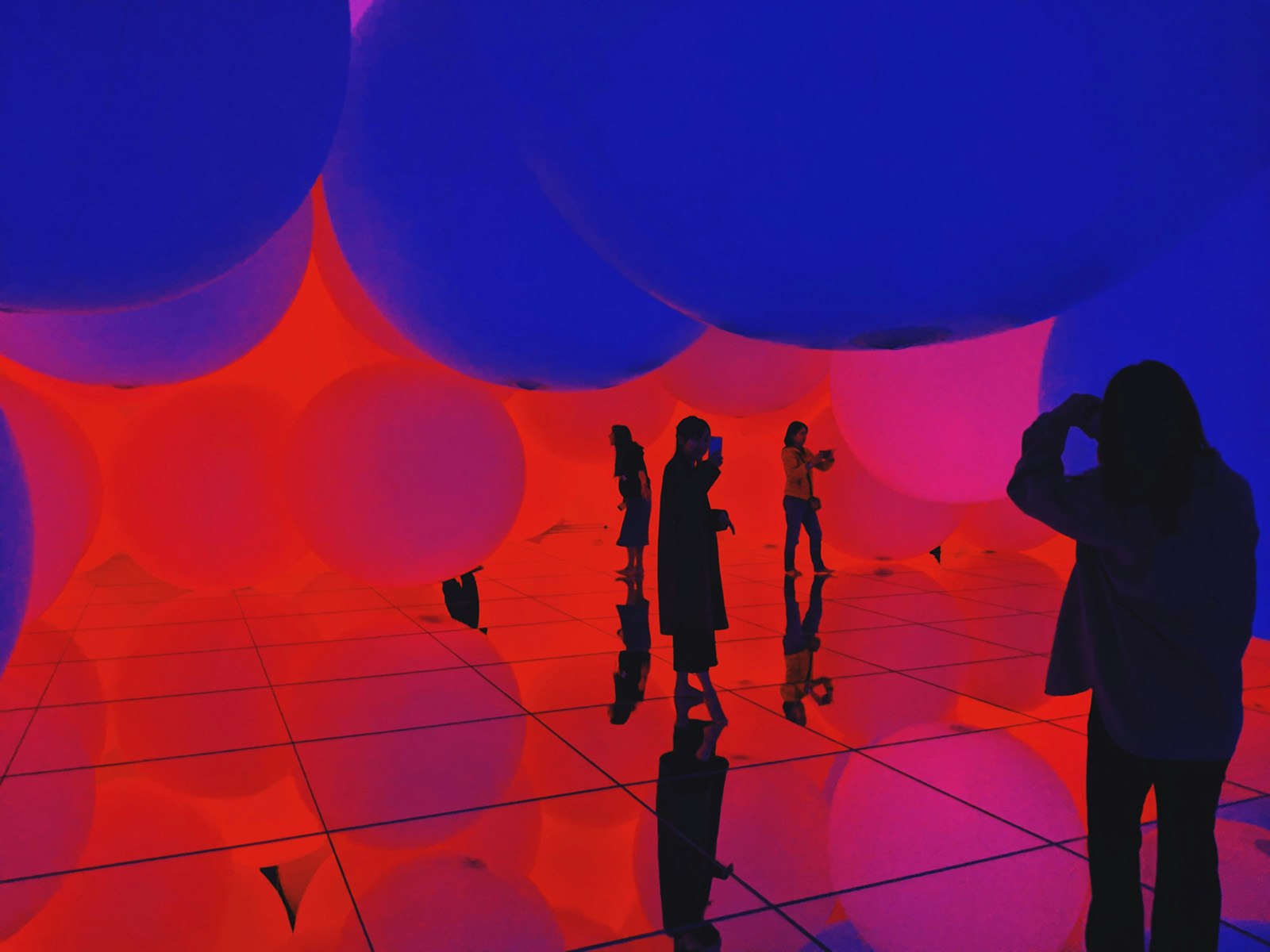
Installations and environments: immersive audiovisual systems, public art, and interactive art
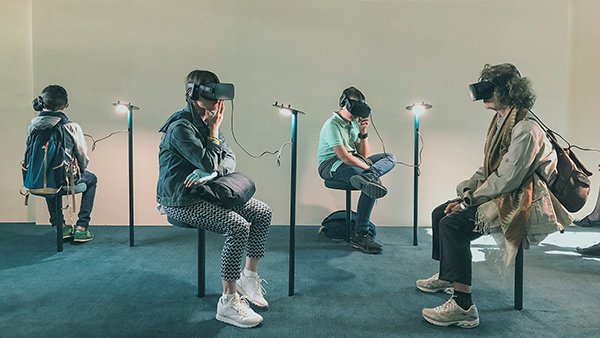
Expanding the limits: phygital formats and augmented reality spaces
Session 3: The Curatorial View
In our final session, we draw on diverse case studies to understand how digital technologies have reshaped curatorial practice.
Language
Classes are held in English.
Format & Modality
The course is fully online and taught live via Zoom in small, interactive groups to support active learning. Live captioning is available during the sessions.
Schedule
Live sessions take place every Wednesday, from 6pm to 8pm (Berlin time, CEST/CET).
Attendance
Live attendance is encouraged to get the most out of the course, but recordings are available if you cannot attend a session.
Course Materials
All course materials—including recordings, readings, and presentations—are available on the Node platform for as long as you wish.
Assignments
Optional assignments are included, with personal feedback from the lecturers to help you apply what you learn. Please note that feedback is provided only during the course dates.
Certificate
A downloadable certificate is available upon course completion.
Technical Requirements
A stable internet connection, a computer with a camera and microphone, and access to Zoom are required.
Questions?
Check our FAQ or contact us via our online form.
Marco Mancuso