Main Menu

Duration
Jan. 07 - Feb. 04, 2027
Duration

Enroll before

One-time Payment

Live sessions
Artistic experimentation isn't just for artists. Creative methods can also enrich the way curators research, develop ideas, and conceptualise exhibitions. This course approaches curating as an artistic practice in its own right, inviting you to experiment with different processes of collecting and interpreting material to build your own curatorial language.
Through research, reflection, and practical exercises, you will develop a personal sketchbook or journal that brings together research, visual references, themes, and ideas. This will serve as a creative framework for developing current and future curatorial projects that reflect your individual perspective and approach to curating.
By the end of the course, you will:
Curators of any experience level are welcome to participate - whether you’re just starting out, or seeking to diversify and refresh your approaches to developing ideas.
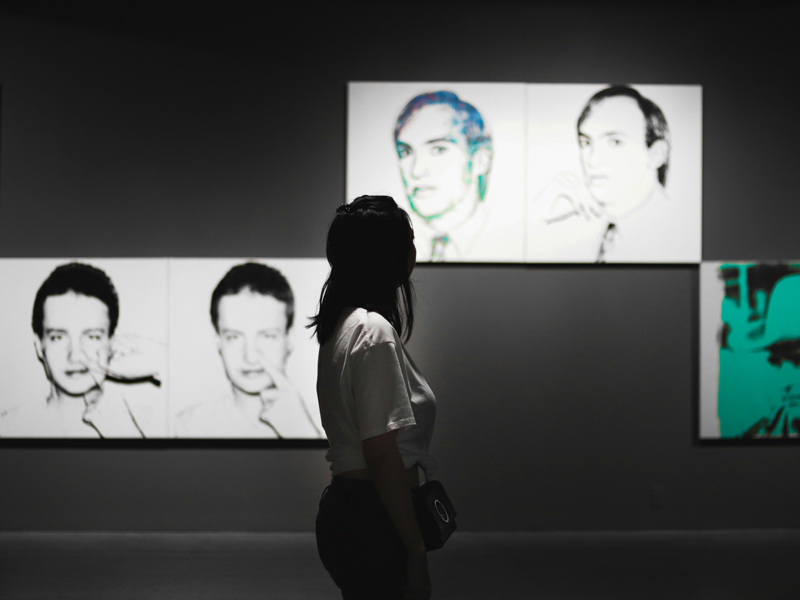
Image: Nirmal Rajendharkumar via Unsplash

Video conferences every Thursday from 3pm to 5pm Berlin Time CET. Recordings will be available in case you miss a live session!
Session 1. Curating as a Creative Practice
This session will introduce curating and exhibition-making as a creative and artistic practice.
Topics:
Session 2. Research as a Creative Process
We’ll move from research as simply gathering information to research as a way of generating ideas and connections.
Topics:
Session 3. From Research to Narrative
In this session, we’ll begin to transform research and collected material into a curatorial direction.
Topics:
Session 4. Developing Your Curatorial Language
We will then explore how a curatorial vision can be expressed creatively.
Topics:
Session 5. Bringing It All Together
In the last session, we’ll bring the different parts of the creative process together and explore how they can inform a curatorial project.
Topics:
Language
Classes are held in English.
Format & Modality
The course is fully online and taught live via Zoom in small, interactive groups to support active learning. Live captioning is available during the sessions.
Schedule
Live sessions take place every Thursday from 3-5pm (Berlin time, CET).
Attendance
Live attendance is encouraged to get the most out of the course, but recordings are available if you cannot attend a session.
Course Materials
All course materials—including recordings, readings, and presentations—are available on the Node platform for as long as you wish.
Assignments
Optional assignments are included, with personal feedback from the lecturers to help you apply what you learn. Please note that feedback is provided only during the course dates.
Certificate
A downloadable certificate is available upon course completion.
Technical Requirements
A stable internet connection, a computer with a camera and microphone, and access to Zoom are required.
Questions?
Check our FAQ or contact us via our online form.
Christa Joo Hyun D’Angelo