Main Menu
Duration
Soon to be announced
Duration

Enroll before

One-time Payment

Live sessions

Max. seats
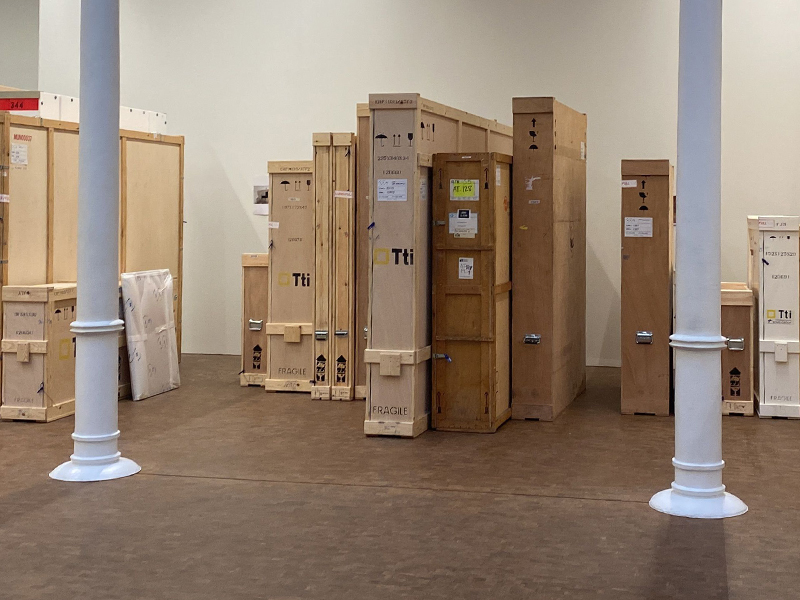
This course offers specially designed training on the handling, storage, and transportation of cultural heritage focusing on modern and contemporary artworks (paintings, sculptures, and installation works).
Artworks have to be moved, packed, transported, stored, and presented properly to guarantee their preservation and safety. Curators, gallery staff, art handlers, and technicians are in direct and frequent contact with artworks and therefore need to know the essentials of proper care, maintenance and preservation. Additionally, in an ever-expanding global art world, this knowledge is crucial as the loan and transportation of works of art have increased significantly in recent years
This course is useful for anyone in contact with artworks and will provide basic guidelines for handling, packaging, transport and storage of works of art. In addition, the lecturer will enrich these guidelines, methods, and techniques through case studies and day-to-day examples.
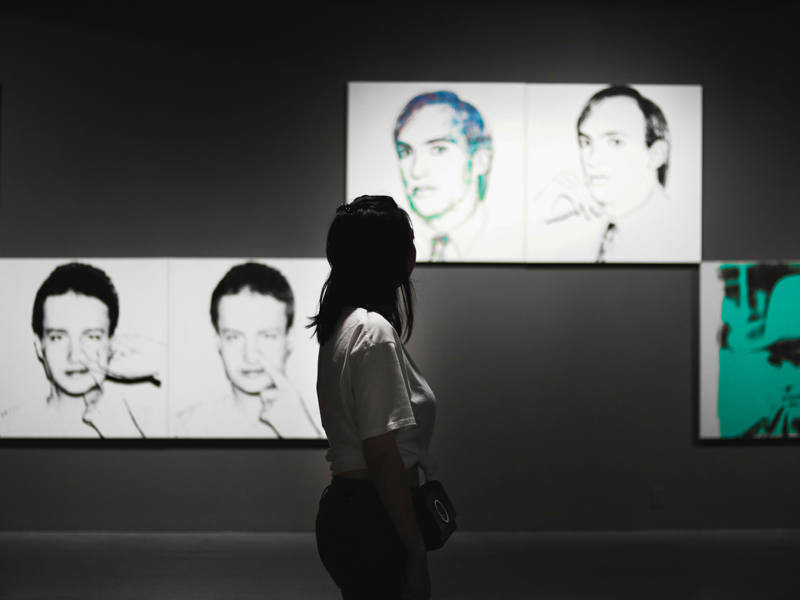
Course image: Spencer Chow via Unsplash
Lecturer's profile photo: © Lukas Papierak, 2020.

Session 1. Introduction
This is a one-hour-only session. The lecturer will introduce the program and participants will introduce themselves. No prior preparation is necessary.
Session 2. Handling
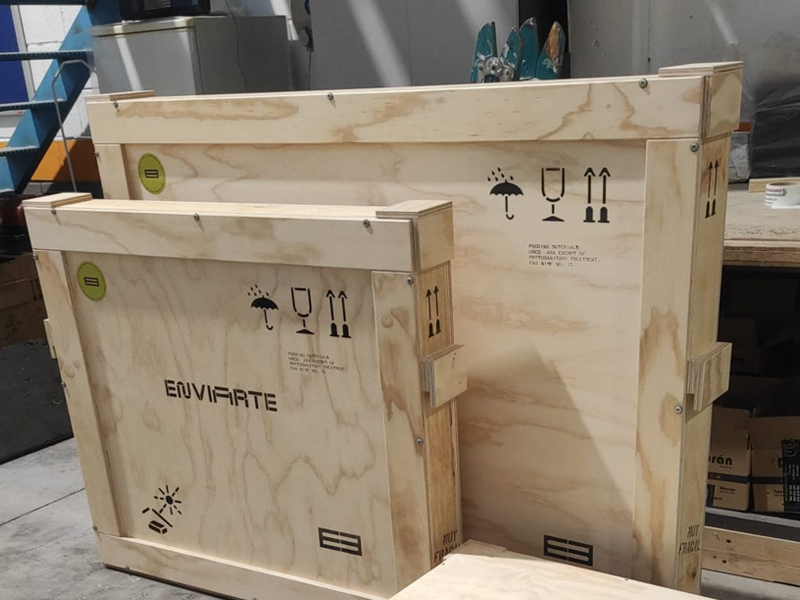
Session 3. Packing - How to Pack and Crate Artwork
Session 4. Transport
Session 5. Storage
Language
Classes are held in English.
Format & Modality
The course is fully online and taught live via Zoom in small, interactive groups to support active learning. Live captioning is available during the sessions.
Schedule
Live sessions take place every Tuesday from 7-9 PM (Berlin time, CEST).
Attendance
Live attendance is encouraged to get the most out of the course, but recordings are available if you cannot attend a session.
Course Materials
All course materials—including recordings, readings, and presentations—are available on the Node platform for as long as you wish.
Assignments
Optional assignments are included, with personal feedback from the lecturers to help you apply what you learn. Please note that feedback is provided only during the course dates.
Certificate
A downloadable certificate is available upon course completion.
Technical Requirements
A stable internet connection, a computer with a camera and microphone, and access to Zoom are required.
Questions?
Check our FAQ or contact us via our online form.
Eva Riess
"The course is very complete, for an inexperienced person like me. It set the basis for a general understanding of the Art Handling, Transport and Storage. I am very satisfied with what has been learned. From the first class on I put the knowledge, procedures and methods into practice."
"This course was absolutely wonderful, I am very grateful."